← October 15 · the hive for October 15, 2026
In the news today
A fungus is threatening the world’s food supply. Scientists just found a new defense
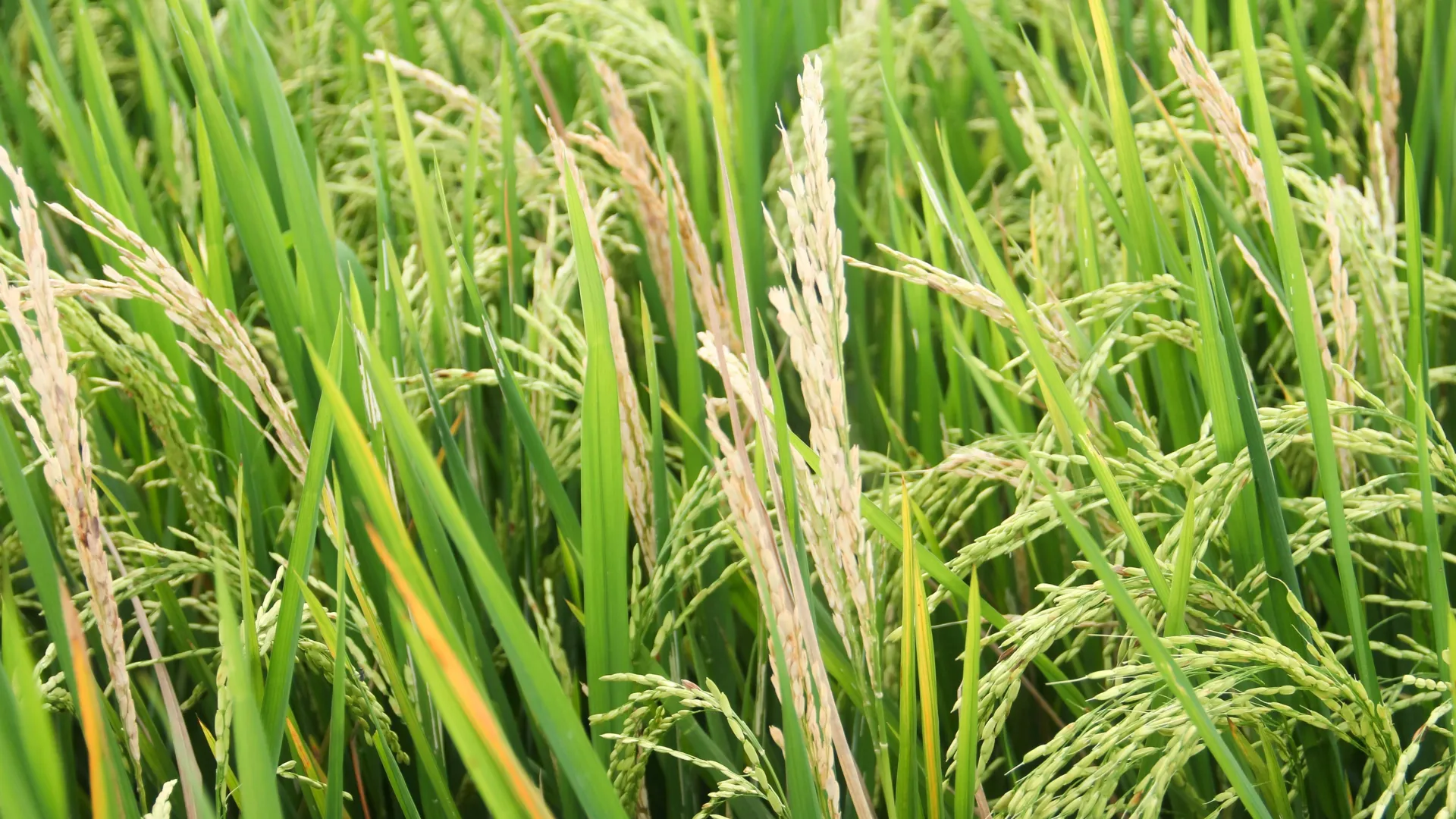
Scientists have discovered a potential new weapon against a devastating fungus that threatens rice, wheat, and barley worldwide. By engineering a special type of plant immune receptor, researchers created defenses capable of recognizing multiple fungal threats at once. The breakthrough could eventually lead to crops with powerful, long-lasting disease resistance, helping protect a global food supply increasingly threatened by spreading infections and climate change.
sciencedaily.com
The first buzz on this hive takes the crown. Off the board. One buzz puts it on at the next redraw.
This hive has sealed.
You buzzed this
Claimed Somebody said it and nobody has confirmed it. A tier is not a verdict.
Nobody has backed it yet. Submitted October 15, 2026 at 9:01 AM EDT. Placed October 15, 2026 at 9:02 AM EDT.
Earned a place and found no room on the hive. In the feed.
Sources
The wording on the hive is the source's, never a person's. A check confirms a link resolves and that the page contains the quotation, by exact match. Nothing here decides what is true.
Source 1: sciencedaily.com
A fungus is threatening the world’s food supply. Scientists just found a new defense
Scientists have discovered a potential new weapon against a devastating fungus that threatens rice, wheat, and barley worldwide. By engineering a special type of plant immune receptor, researchers created defenses capable of recognizing multiple fungal threats at once. The breakthrough could eventually lead to crops with powerful, long-lasting disease resistance, helping protect a global food supply increasingly threatened by spreading infections and climate change.
Marked as found on the page, exactly, October 16, 2026 at 11:01 PM EDT. The check history below is the evidence.
Check history
A run of checks that came out the same way is one line, with every check in it folded underneath. Any check that came out differently is its own line.
| When | Check | Result | Status | Detail |
|---|---|---|---|---|
| October 15, 2026 at 9:02 AM EDT to October 16, 2026 at 1:09 PM EDT | Link resolves | Passed | 200 | 2 checks over about 28 hours, the same result every time. 200, text/html, 54811 characters The wording varied; every check is below.Every one of the 2
|
| October 15, 2026 at 9:02 AM EDT to October 16, 2026 at 1:09 PM EDT | Page contains the quotation | Passed | 200 | 2 checks over about 28 hours, the same result every time. the page contains the quotation, exactlyEvery one of the 2
|
Source 2: sciencedaily.com
“Crawzilla” was huge. Then scientists found an even bigger crayfish
A nationwide search for giant crayfish uncovered a record-breaking Tennessee specimen and a surprising mystery about how big these freshwater creatures can grow. Scientists found that North American crayfish seem to hit a biological size limit, possibly because of their muscles or protective shells.
Marked as found on the page, exactly, October 16, 2026 at 11:01 PM EDT. The check history below is the evidence.
Check history
| When | Check | Result | Status | Detail |
|---|---|---|---|---|
| October 16, 2026 at 9:01 AM EDT | Link resolves | Passed | 200 | 200, text/html, 52747 characters |
| October 16, 2026 at 9:01 AM EDT | Page contains the quotation | Passed | 200 | the page contains the quotation, exactly |
More from the hive for October 15, 2026
Everything on October 15 · Another random story from October 15